Photo of Ryan Last

Ryan provides comprehensive corporate advisory and transactional services to a diverse range of domestic and international clients, including those in the entertainment, financial services, venture capital, private equity, energy, insurance, consumer products, and retail sectors. With a background as vice president at Nomura, he brings a deep understanding of the regulatory landscape, offering clients advice on legal and compliance matters and product development. This includes corporate governance, contractual matters, mergers and acquisitions, capital market transactions, fund formation, SEC filings, and more.

The Supreme Court’s February 20, 2026, decision in Learning Resources, Inc. v. Trump upended the legal basis for billions of dollars in tariffs on imports imposed by the Trump administration. The Court held that the International Emergency Economic Powers Act (IEEPA) did not authorize the sweeping tariff regime, but it did not address how past collections should be refunded, leaving refund mechanics and timing to be worked out through U.S. Customs and Border Protection (CBP) in coordination with the U.S. Court of International Trade (CIT). While the ruling opened the door for importers to seek substantial refunds from the federal government, including through developing CBP refund procedures and related CIT orders, it also created a new front of litigation risk for companies that passed tariff costs through to consumers.

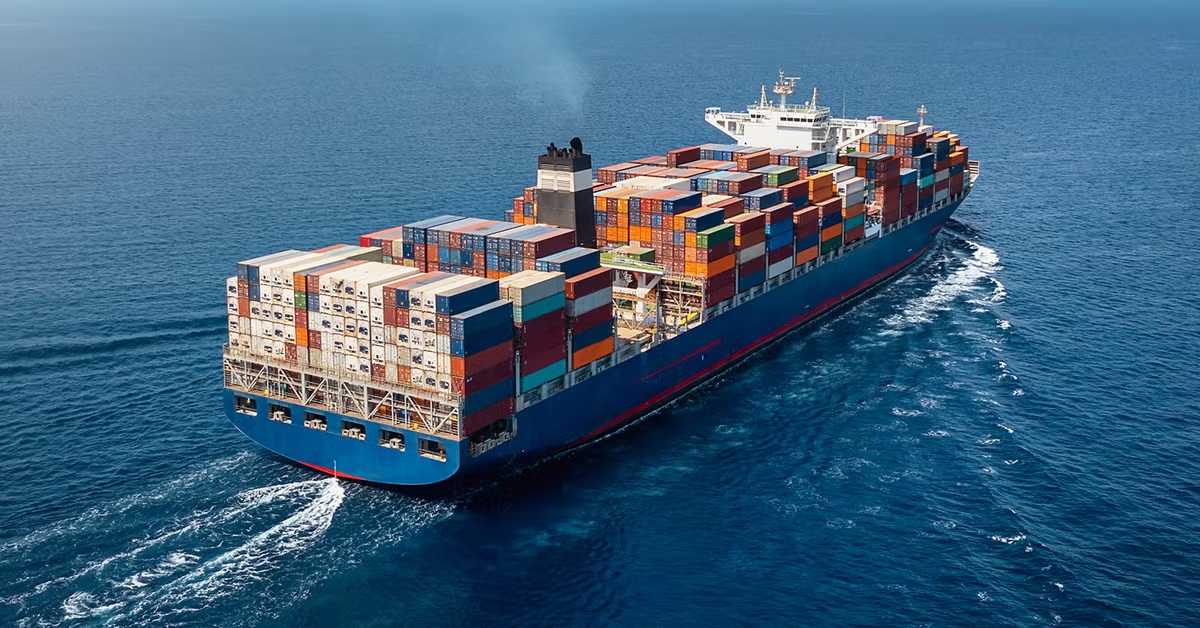
The U.S. Department of Commerce’s Bureau of Industry and Security (BIS) recently implemented the long-anticipated 50% ownership standard (or Affiliates Rule) to extend the licensing requirements under the Export Administration Regulations (EAR) to non-listed parties that are 50% or more owned by certain listed parties. This replaces the previous “legally distinct” standard that BIS had applied, which did not directly extend these restrictions to non-listed affiliates.

On May 23, the U.S. Department of the Treasury’s Office of Foreign Assets Control (OFAC) issued Syria General License 25 (GL 25), effectively lifting most sanctions imposed under the Syrian Sanctions Regulations (SSR) (31 C.F.R. Part 542). This move, foreshadowed by President Trump on May 13 during a speech in Riyadh, aims to support Syria’s economic recovery and reconstruction following the collapse of Bashar al-Assad’s regime in December 2024. Accompanied by a set of frequently asked questions issued on May 28, GL 25 reflects a broader U.S. strategy to foster stability and align with the new Syrian government’s efforts for a “fresh start” and to rebuild.