
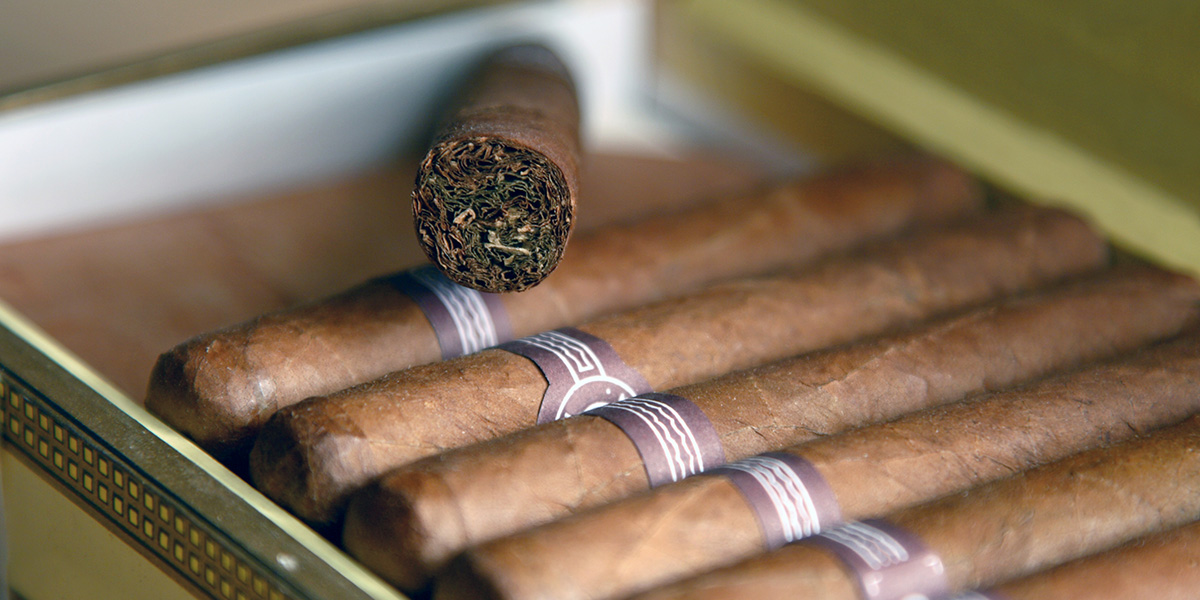
For years, we have written (here, here, here, and here) about the decade-long effort to vacate the U.S. Food and Drug Administration’s (FDA) decision to “deem” premium cigars covered by FDA’s 2016 rule (the Deeming Rule), which swept all tobacco products under FDA authority. On April 15, the U.S. District Court for the District of Columbia issued an order that it characterized as “(hopefully) … the final chapter” in the litigation over how FDA regulates premium cigars. The parties have 30 days to appeal the order, but, if not, the order will stand.
In 2016, the Deeming Rule swept all cigars under FDA’s tobacco product authority. The premium cigar industry challenged that move, arguing that FDA had failed to justify regulating premium cigars — products that are used differently, by different consumers, and pose different public health risks.
In 2023, the district court vacated the Deeming Rule as applied to premium cigars, finding FDA’s decision arbitrary and capricious as to that subset of cigar products. To make that decision workable, the district court defined what qualifies as a premium cigar. The district court adopted an eight‑part definition of an FDA-exempt premium cigar, drawn largely from an FDA formulation in related litigation.
On appeal, the U.S. Court of Appeals for the District of Columbia Circuit affirmed the district court’s decision but faulted the district court for not letting the parties weigh in on the specific “premium cigar” definition before finalizing it. The case was sent back to the district court on that limited issue — how, exactly, to define premium cigars.
In its April 15 order, the district court re‑adopted, without change, the same eight‑part definition it used previously. A “premium cigar” is a cigar that:
- Is wrapped in whole tobacco leaf;
- Contains a 100% leaf tobacco binder;
- Contains at least 50% long‑filler tobacco by weight;
- Is handmade or hand‑rolled;
- Has no filter, nontobacco tip, or nontobacco mouthpiece;
- Does not have a characterizing flavor other than tobacco;
- Contains only tobacco, water, and vegetable gum, with no other ingredients or additives; and
- Weighs more than six pounds per 1,000 units.
Although FDA had previously appealed the district court’s decision to exempt premium cigars from FDA purview, it urged the district court to keep the existing definition intact. FDA explained it had been using this definition in practice — including for Tobacco Control Act user‑fee administration and in several regulations and rulemaking documents. FDA also emphasized that any changes to the definition would raise scientific and policy questions that are best addressed through agency rulemaking, not judicial line‑drawing.
Ultimately, the district court decided to maintain the eight-part premium cigar definition for several reasons, including because industry has been relying on the definition for years to structure compliance programs and make business decisions, and because any changes to the definition should be accomplished through notice and comment rulemaking.
Why It Matters
Ultimately, the district court’s April 15 order maintains the regulatory landscape by locking in the existing premium cigar carve-out. Notably, the district court’s decision does not affect state authority, or future federal efforts, to regulate or define premium cigars in a different manner. Thus, while the district court’s order provides some closure on the application of federal requirements to premium cigars, stakeholders should closely monitor any efforts by FDA to initiate rulemaking to regulate premium cigars and state laws that may impose regulatory requirements on premium cigars.