
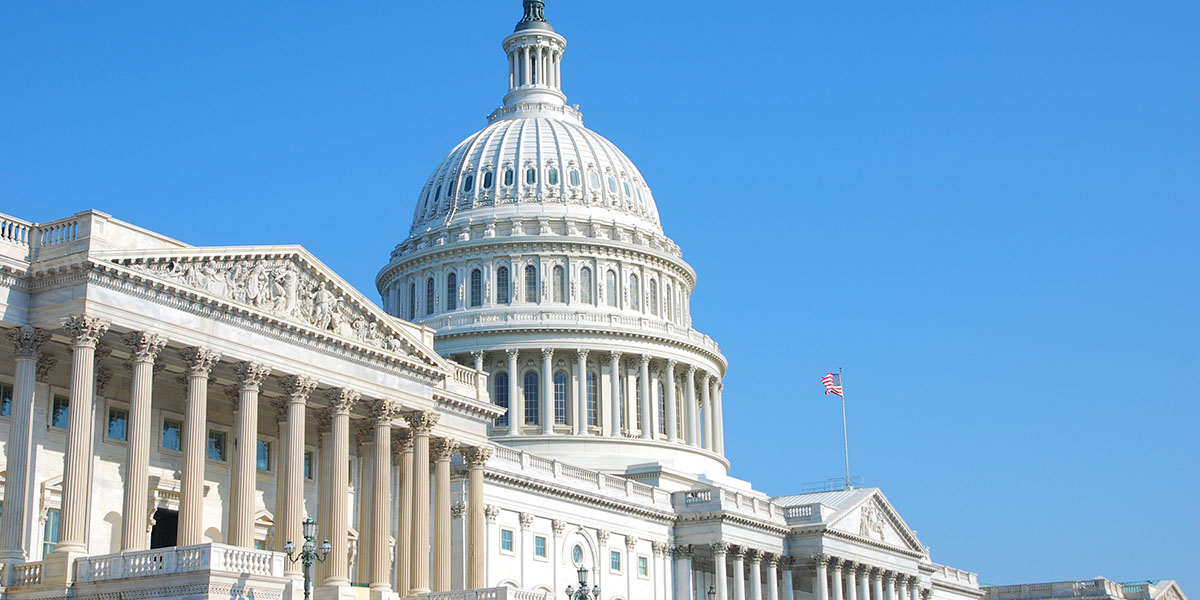
On November 3, Democrats scored a resounding victory, taking control of both the House and Senate in the midterm elections. When the new Congress convenes in January, Democrats will gain subpoena authority, control over committee agendas, and substantially greater resources to investigate the Trump administration and private-sector conduct.
That shift has the potential to transform the investigative environment for companies doing business with the federal government or operating in politically sensitive consumer markets. In particular, Democratic control of Congress may create new opportunities for congressional committees and Democratic state attorneys general (AG) to pursue related conduct through parallel investigations.
What Changes in January
Democratic control of Congress will transform existing minority oversight efforts into potential investigations backed by compulsory process. Letters and voluntary requests that companies or agencies resisted or answered narrowly may become investigative road maps, with recipients facing renewed document requests, testimony demands, or subpoenas.
Those investigations may also generate parallel scrutiny from state AGs. Congressional hearings and reports can surface documents, testimony, and allegations that prompt AGs to examine whether the same conduct affected consumers or violated state law. AG investigations, in turn, can produce public filings and enforcement records that shape congressional inquiries. These parallel tracks do not require a formal joint task force or information-sharing agreement. Congressional committees and AG offices can monitor one another’s work, pursue overlapping records, and seek materials that companies have provided to other government bodies.
The infrastructure for this interaction already exists. Federal and state consumer-protection authorities routinely share information and pursue joint or parallel enforcement, while multistate AG coalitions have established channels for identifying common issues and coordinating investigations. Congressional Democrats and Democratic AGs have also worked together publicly. In June 2025, Democratic members of Congress convened a forum with state AGs challenging actions by the Trump administration. In July 2026, New York AG Letitia James drew on her office’s cryptocurrency investigations in testimony before the Senate Permanent Subcommittee on Investigations, illustrating how state enforcement can inform congressional oversight.
Recent Republican-led investigations provide another example of this dynamic. Congressional scrutiny of Minnesota Medicaid fraud led to hearings, a White House fraud task force, and increased attention to the performance of state-run Medicaid Fraud Control Units. That pressure has given AG offices additional incentive to demonstrate enforcement results, particularly in areas such as home health care and behavioral health.
With Democrats controlling the committee agenda in January, these interactions are likely to become more frequent and consequential, particularly where alleged misconduct can be framed as both a failure of federal oversight and a violation of state law.
Where Parallel Scrutiny Is Most Likely
Parallel scrutiny is most likely where congressional priorities overlap with established state enforcement authority.
Affordability and pricing. Pricing practices connect congressional concerns about the cost of living with established state consumer-protection authority. State AGs have targeted so-called junk fees, subscriptions, inaccurate prices, and algorithmic pricing, including through a bipartisan effort addressing food-delivery fees, markups, and personalized pricing. Congress can examine whether these practices are widespread and whether federal regulators responded adequately, while AGs pursue specific alleged violations of state law.
Technology and financial products. AI, data brokers, fintech, digital assets, and other data-driven products implicate consumer protection, privacy, competition, and national security. As Senate Banking chair, Elizabeth Warren is expected to focus on AI, housing, private equity, credit card rates, and technology exports, several of which have bipartisan appeal. State AGs are already investigating algorithmic pricing, privacy, allegedly misleading fintech claims, and cryptocurrency practices.
Companies benefiting from federal action. Congressional Democrats have identified companies that donated to Trump-related initiatives, participated in Trump family business ventures, or received favorable government treatment as potential subjects of oversight. A donation or favorable federal decision does not establish a state-law violation. But congressional investigations may uncover communications or financial arrangements relevant to state consumer-protection, securities, antitrust, contracting, or fraud laws.
Why the Parallel Track Matters
Congress and state AGs pursue different legal and institutional objectives, but they often seek the same documents and witnesses. Congressional committees may request materials provided to regulators or AGs, while state civil investigative demands may seek congressional submissions, testimony, and related communications.
The forums also create different risks. Congressional investigations often proceed publicly, while AG investigations can result in litigation, restitution, penalties, and injunctive relief. Companies facing scrutiny should therefore maintain a single factual record and coordinate their legal, government affairs, compliance, and communications strategies.
The Bottom Line
State AGs have long stepped forward when they believe federal regulators are inactive or moving in a different direction. Congress has likewise used investigations to expose private-sector conduct, influence agency action, and shape public debate.
What could change under a Democratic Senate is the alignment of those efforts. Committee control would give Democratic senators greater ability to compel information and sustain public investigations at the same time Democratic AGs are pursuing their own enforcement priorities.
Companies should prepare not merely for a congressional inquiry or a state AG investigation, but for the possibility that one becomes the predicate, source of evidence, or public amplifier for the other.
Troutman Pepper Locke State Attorneys General Team
 |
Ashley Taylor – Co-leader and Firm Vice Chair Ashley is co-leader of the firm’s nationally ranked State Attorneys General practice, vice chair of the firm, and a partner in its Regulatory Investigations, Strategy + Enforcement (RISE) Practice Group. He helps his clients navigate the complexities involved with multistate attorneys general investigations and enforcement actions, federal agency actions, and accompanying litigation. |
 |
Clay Friedman – Co-leader Clay co-leads the firm’s State Attorneys General practice and is nationally ranked by Chambers USA for AG Government Relations and in Best Lawyers for Advertising Law. He has dedicated his entire career to state attorney general and federal work, serving for nearly a decade in a senior role and more than 25+ years in private practice. Clay focuses his practice on helping industry-leading companies mitigate the risks associated with state and federal regulatory investigations and associated litigation. |
 |
Chris Carlson Chris advises clients on regulatory, civil, and criminal investigations and litigation. With a background as an assistant attorney general, he provides practical guidance to clients with matters involving state attorneys general and federal regulatory agencies. |
 |
Lauren Fincher Lauren has vast experience handling state attorneys general investigations, navigating complex regulatory compliance matters, and providing strategic counsel in enforcement actions across various industries. She helps clients manage high-stakes regulatory matters and guides them through complex legal landscapes. |
 |
Stephen Piepgrass Stephen leads the firm’s Regulatory Investigations, Strategy + Enforcement (RISE) Practice Group, representing clients in single and multistate enforcement actions, including inquiries and investigations involving state attorneys general and other state and federal governmental enforcement bodies including the CFPB and FTC. He regularly represents clients in highly regulated sectors such as financial services, emerging technologies, health care, insurance, and education. |
 |
Michael Yaghi Mike handles high-profile investigations led by state attorneys general, the FTC, and other federal and state regulatory bodies. He assists clients through these complex government inquiries, assisting them throughout the entire life cycle of investigations, from regulatory enforcement through formal litigation. |
 |
Matthew J. Berns Drawing on his experience in senior leadership roles in the New Jersey Attorney General’s and Governor’s Offices and as a trial attorney for the U.S. Department of Justice, Matt provides an insider’s perspective when guiding clients through complex government investigations, litigation, and other actions. |
 |
Reade Jacob Reade counsels gaming companies, financial institutions, fintech and social media platforms, and other commercial clients on regulatory, enforcement, and compliance matters spanning three core areas: gaming and sports betting, consumer protection, and privacy and data security. His gaming practice covers daily fantasy sports investigations, state wagering licensure, social casino litigation, and federal and state gambling compliance. On the consumer protection side, he has represented clients before the CFPB, FTC, and state AGs, negotiating settlements and consent orders, and litigating high-stakes matters in administrative courts and arbitration proceedings. |
 |
Jeff Johnson Jeff helps clients navigate complex regulatory and litigation challenges with local, state, and federal authorities. His clients benefit from his decade of broad litigation experience, understanding of emerging state and federal regulatory issues, and strong relationships with attorneys general across the U.S. In addition to handling cases from trial through state or federal appeals, Jeff serves as amicus counsel in advancing legal rules to support his clients’ vital interests. |
 |
Jay Myers Jay assists clients in heavily regulated industries, including health care, energy, insurance, emerging industries, and data privacy. He provides both regulatory legal advice and government relations strategies. Jay’s past and current clients include Fortune 10 companies, startups, nonprofits, industry associations, and advocacy groups. Recognizing that state government matters are often complex and multifaceted, he utilizes regulatory guidance, government advocacy, or both in tandem to deliver tailored solutions for each client’s unique needs. |
 |
Zoe Schloss Zoe represents clients in litigation and government investigations. As former deputy attorney general for the Delaware Department of Justice, she is an experienced litigator who understands the enforcement priorities that impact her clients. Zoe works with individuals and corporate entities in highly regulated industries, including financial services, health care, and energy. |
 |
Jessica Birdsong Jessica is an associate in the firm’s Regulatory Investigations, Strategy + Enforcement Practice Group. She received her J.D. from the University of Richmond School of Law, magna cum laude, where she served as associate articles editor of the Journal of Law & Technology. |
 |
Sydney Goldberg Sydney is an associate in the firm’s Regulatory Investigations, Strategy + Enforcement (RISE) Practice Group. She advises clients on regulatory compliance and state attorney general (AG) investigations in highly regulated industries, including health care and life sciences. She routinely helps clients navigate alcohol compliance and licensing issues, helping proactively manage regulatory risk. |
 |
Troy Homesley Troy is an accomplished litigator who has represented and defended clients across a wide range of complex, high-stakes disputes at both the trial and appellate levels. He has represented technology companies, business executives, law firms, investment funds, high-ranking federal officials, international non-profits, and asylum seekers. Troy draws on his broad litigation experience to advise clients before litigation arises, while claims are pending or threatened, and leading up to and through trial and appeals. |
 |
Namrata Kang Namrata (Nam) is an associate in the firm’s Regulatory Investigations, Strategy + Enforcement (RISE) Practice Group, based in the Washington, D.C. office. She routinely advises clients on a wide variety of state and federal regulatory matters, with a particular emphasis on state consumer protection laws relating to consumer financial services and marketing and advertising. Nam’s experience transcends multiple industries, including financial services, telecommunications, media, and sports betting. |
 |
Michael Lafleur Michael is an associate in the firm’s Regulatory Investigations, Strategy, and Enforcement Practice Group. Based out of the firm’s Boston office, Mike has deep experience in litigation, investigations, and other regulatory matters involving state-level regulators and state attorneys general. |
 |
William LaRosa Bill represents clients in complex regulatory investigations, state attorneys general matters, and enforcement proceedings. He draws on his experience as a former assistant U.S. attorney and as a private-sector litigator advising corporations in high-stakes litigation and regulatory investigations, including multistate AG investigations. |
 |
Lane Page Lane represents financial institutions and other clients in federal and state regulatory investigations and complex civil litigation. He is particularly focused on consumer protection and fair lending issues. |
 |
Dascher Pasco Dascher provides strategic counsel and representation to clients navigating regulatory compliance, enforcement, and high-stakes litigation. She regularly represents clients in both single and multistate state attorney general (AG) investigations and enforcement actions, as well as before other state enforcement bodies and local government agencies. |
 |
Kyara Rivera Rivera Kyara is an associate in the firm’s Regulatory Investigations, Strategy + Enforcement Practice Group. She received her J.D. from the University of Richmond School of Law, cum laude, where she served as publications and online editor of the Public Interest Law Review. |
 |
Timothy Shyu Timothy advises clients on regulatory compliance and enforcement in highly regulated industries, including health care and life sciences, data privacy and cybersecurity, and emerging technology. He assists companies in navigating complex investigations and enforcement actions, helping them mitigate regulatory risk proactively. |
 |
Trey Smith Trey focuses his practice on representing and advising regulated utilities before state public utility commissions. He routinely helps clients obtain certificates of public convenience and necessity for transmission infrastructure. In this role, Trey works with his clients’ subject-matter experts to manage administrative proceedings, including by preparing initial filings; responding to discovery requests; drafting rebuttal testimony; and litigating any disputed issues. |
 |
Daniel Waltz Dan helps clients navigate all aspects highly regulated relationships between industry participants and federal, state and local governments. Whether engaging with regulators, negotiating transactions or representing clients in the courtroom, he delivers solutions that help his clients achieve their strategic goals. |
 |
Stephanie Kozol Stephanie is Troutman Pepper Locke’s senior government relations manager in the state attorneys general department. |