October 2023

On October 5, Arkansas Attorney General (AG) Tim Griffin issued an enforcement advisory to Arkansas solar installation companies. The letter outlines solar installation companies’ legal obligations under the Arkansas Deceptive Trade Practices Act. Specifically, Griffin expresses concern over companies’ “predatory sales tactics” and deficient contracts.

On August 9, District of Columbia Attorney General Brian L. Schwalb issued a Supplemental Business Advisory regarding restaurants’ obligation to properly disclose service fees and charges to diners. The advisory comes after the Office of the Attorney General’s (OAG) March 2023 consumer alert providing guidance on unlawful restaurant fees.

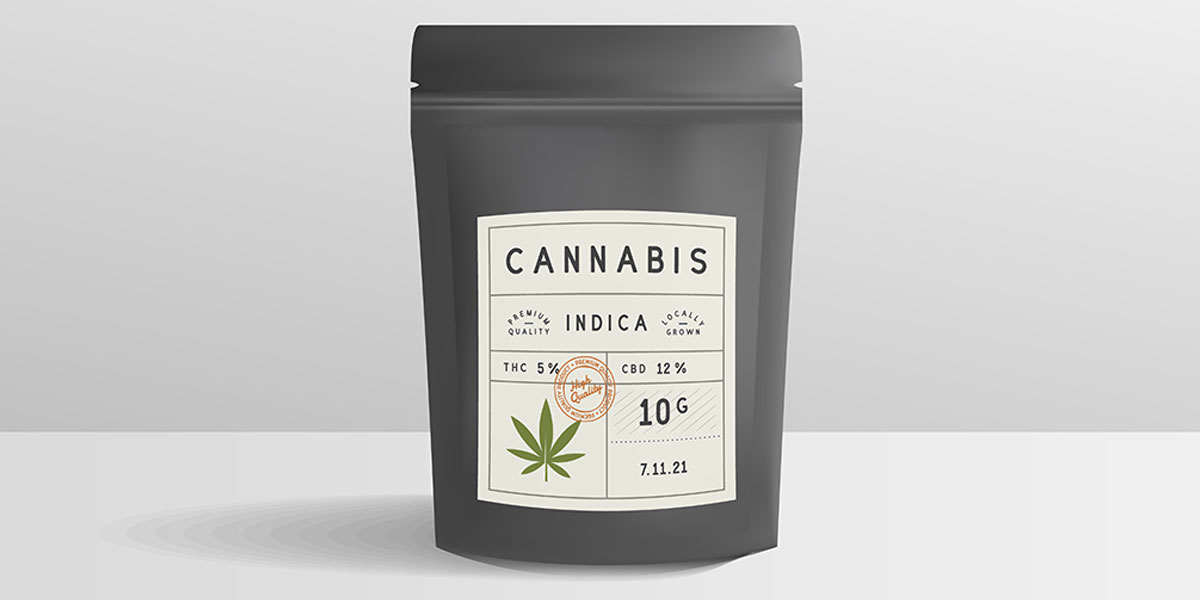
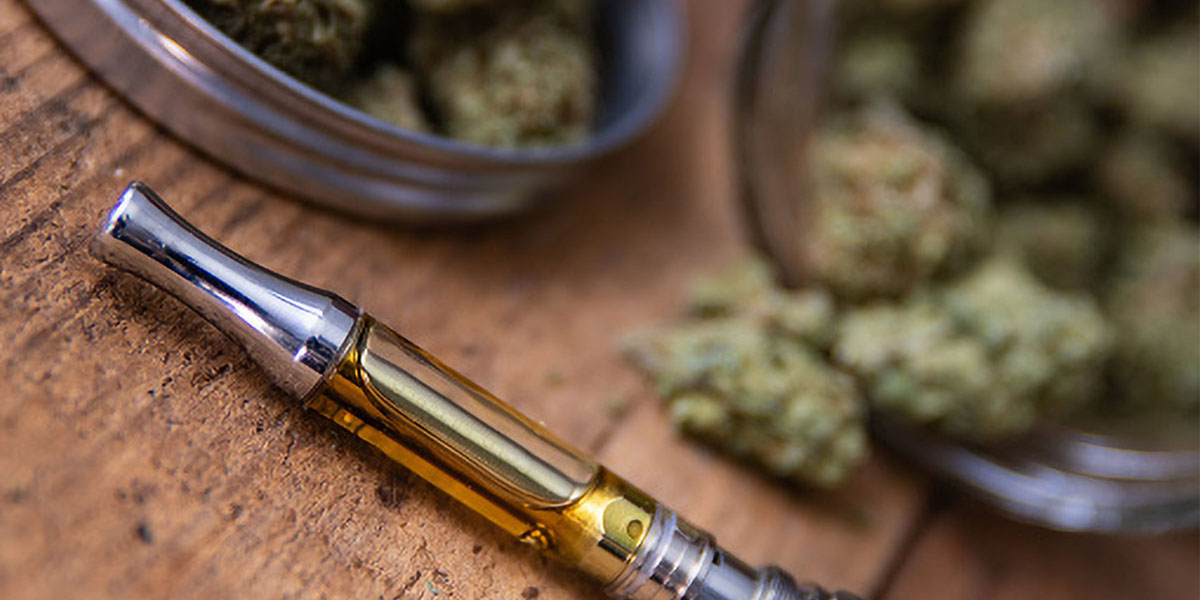
On October 2, the Virginia Board of Pharmacy posted a general notice indicating that it had voted to rescind the request for applications (RFA) for a Pharmaceutical Processor license in Health Service Area I. The RFA will now be conducted by the Virginia Cannabis Control Authority (the CCA) sometime after it assumes oversight of the state’s medical cannabis program on January 1, 2024.

Since its first recreational marijuana dispensary opened in 2014, Colorado has been at the forefront of the burgeoning adult-use cannabis industry, setting a precedent for other states considering the legalization of recreational marijuana, and reaping significant tax benefits for the state in the process.

The Georgia Board of Pharmacy has begun accepting applications from independent, licensed pharmacies for authorization to dispense authorized medical marijuana products, and nearly 120 pharmacies reportedly have agreed to provide medication from Botanical Sciences, one of the state’s two licensed production companies, according to a company statement.

Published in Infrastructure, Volume 62, Number 4, Summer 2023. © 2023 American Bar Association. Reproduced with permission. All rights reserved. This information or any portion thereof may not be copied or disseminated in any form or by any means or stored in an electronic database or retrieval system without the express written consent of the American Bar Association.

Nuclear energy has long been a significant source of reliable, clean energy within the United States. In 2021 alone, nuclear energy accounted for approximately 20 percent of electricity generated in the country and 50 percent of its carbon-free electricity. And while some sources of carbon-free generation are necessarily intermittent, nuclear generation has a high-capacity factor, capable of running at all hours of the day.

As we previously reported, most states authorize direct-to-consumer (DTC) shipments of wine if the shipper has obtained the correct license, but this area of law has continued to evolve through litigation. Recently, the Virginia Court of Appeals decided a case involving whether an out-of-state online wine retailer (the retailer) was required to maintain multiple licenses for multiple out-of-state locations. This case should be of interest to any multistate wineries, breweries, or retailers selling and shipping wine or beer to consumers.