

A bipartisan coalition of 49 state attorneys general (AGs) urged the Federal Communications Commission (FCC) to turn its Robocall Mitigation Database from a formality into a real checkpoint. In reply comments filed November 9, 2026, the states largely back the FCC’s proposals but want it to go further: check every filing before a provider is listed, make more of what providers report public, and remove bad actors faster.
What Is the Robocall Mitigation Database?
The Robocall Mitigation Database is the FCC’s public list of voice service providers allowed to send calls across the U.S. phone network. Any provider that starts, passes along, delivers, or brings in calls from abroad must file. A filing includes basic business information, a certification about the provider’s robocall practices, and a plan for stopping illegal robocalls. A provider may accept calls directly only from providers in the database.
Why Do the AGs Say the Database Falls Short?
- Downstream providers can currently accept calls directly from any of the more than 11,000 providers in the database. The AGs say that limit is “barely a niggling obstacle, if that,” to protecting the U.S. phone network from illegal call traffic.
- Foreign providers can avoid added scrutiny with a nominal U.S. presence, the AGs say. They point to 61 providers listing the same suite at a Sheridan, WY address, only two of which identify as foreign.
What Did the AGs Ask the FCC to Do?
- Check filings before listing them. Review every filing for accuracy and completeness before a provider appears in the database or can send calls.
- Require more disclosure. Make providers disclose their use of third parties, related companies, claims of a U.S. presence, and access to phone numbers.
- Add certifications. Require providers to certify that they have not submitted false or misleading information, that they follow FCC robocall rules, and that they will answer traceback requests (requests to trace a suspect call to its source) within 24 hours.
- Require proof of financial stability. The FCC asked which filers should have to show they can pay their debts. The AGs say all of them, because bad actors can be foreign or domestic, new or established. They also want the proof verified before the FCC publishes a filing.
Where Do the AGs Go Further Than the FCC?
The AGs endorse most of what the FCC proposed. Three of their asks go further:
- Public disclosure of outside vendors. The FCC proposed collecting which third parties a provider uses for call analytics, call signing, customer vetting, and database filings. The AGs want that information public or, at a minimum, open to state and federal law enforcement, not limited to FCC staff.
- A listing is a credential. A database listing already carries an “imprimatur of legitimacy,” the AGs say, and the body that oversees STIR/SHAKEN, the system that verifies caller ID information, indicated that it relies on the database to judge a provider’s identity. The FCC should either fully vet filings or stop letting a listing unlock those credentials and call traffic.
- Surety bonds, not just letters of credit. The AGs say a bond may prove financial stability better than the FCC’s letter of credit, because a bonding company is likely to check that the business is real and its mitigation plan works.
How Does This Fit the AGs’ Broader Robocall Enforcement?
The filing builds on Operation Robocall Roundup, launched in 2025 by the Anti-Robocall Multistate Litigation Task Force, a bipartisan group of state AGs led by Indiana, North Carolina, and Ohio. Phase 2 expanded the effort to four of the country’s largest intermediate voice service providers.
The reply comments were co-sponsored by the AGs of Colorado, Illinois, Indiana, North Carolina, Ohio, and Pennsylvania. The coalition has pressed the FCC on related fronts before, including access to phone numbers, Know Your Customer rules for originating providers, and Know Your Upstream Provider rules.
What Happens Next?
These are proposals, not final rules. The FCC adopted its further notice of proposed rulemaking on July 22, 2026, and published it in the Federal Register on September 9. The AGs ask the FCC to make the new rules effective as soon as practicable, and say a phased rollout would be acceptable.
What Should Companies Do Now?
- Audit your own filing. Confirm that every name, address, principal, and contact in your filing is accurate and current. False or outdated information already carries fines.
- Check your partners. Confirm that the providers you take calls from, or send calls to, appear in the database and have not been suspended or removed. Recheck on a schedule.
- Have a backup if your carrier is removed. Other providers cannot accept calls from a removed provider, so a removal can cut off its customers. If your business relies on one carrier, review your contract and line up an alternative.
Troutman Pepper Locke State Attorneys General Team
 |
Ashley Taylor – Co-leader and Firm Vice Chair Ashley is co-leader of the firm’s nationally ranked State Attorneys General practice, vice chair of the firm, and a partner in its Regulatory Investigations, Strategy + Enforcement (RISE) Practice Group. He helps his clients navigate the complexities involved with multistate attorneys general investigations and enforcement actions, federal agency actions, and accompanying litigation. |
 |
Clay Friedman – Co-leader Clay co-leads the firm’s State Attorneys General practice and is nationally ranked by Chambers USA for AG Government Relations and in Best Lawyers for Advertising Law. He has dedicated his entire career to state attorney general and federal work, serving for nearly a decade in a senior role and more than 25+ years in private practice. Clay focuses his practice on helping industry-leading companies mitigate the risks associated with state and federal regulatory investigations and associated litigation. |
 |
Chris Carlson Chris advises clients on regulatory, civil, and criminal investigations and litigation. With a background as an assistant attorney general, he provides practical guidance to clients with matters involving state attorneys general and federal regulatory agencies. |
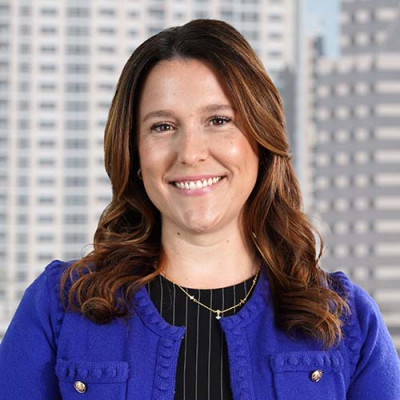 |
Lauren Fincher Lauren has vast experience handling state attorneys general investigations, navigating complex regulatory compliance matters, and providing strategic counsel in enforcement actions across various industries. She helps clients manage high-stakes regulatory matters and guides them through complex legal landscapes. |
 |
Stephen Piepgrass Stephen leads the firm’s Regulatory Investigations, Strategy + Enforcement (RISE) Practice Group, representing clients in single and multistate enforcement actions, including inquiries and investigations involving state attorneys general and other state and federal governmental enforcement bodies including the CFPB and FTC. He regularly represents clients in highly regulated sectors such as financial services, emerging technologies, health care, insurance, and education. |
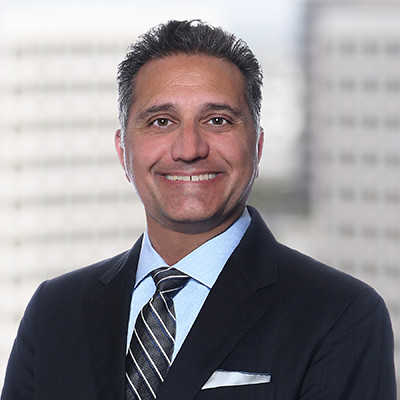 |
Michael Yaghi Mike handles high-profile investigations led by state attorneys general, the FTC, and other federal and state regulatory bodies. He assists clients through these complex government inquiries, assisting them throughout the entire life cycle of investigations, from regulatory enforcement through formal litigation. |
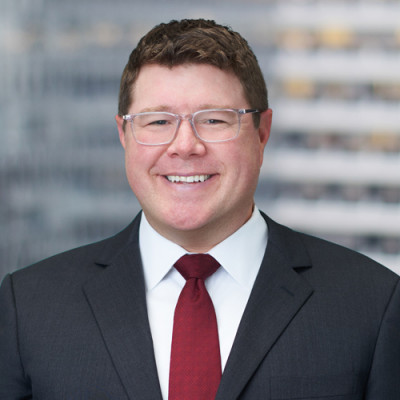 |
Matthew J. Berns Drawing on his experience in senior leadership roles in the New Jersey Attorney General’s and Governor’s Offices and as a trial attorney for the U.S. Department of Justice, Matt provides an insider’s perspective when guiding clients through complex government investigations, litigation, and other actions. |
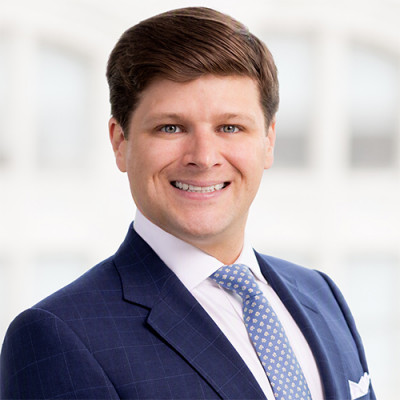 |
Reade Jacob Reade counsels gaming companies, financial institutions, fintech and social media platforms, and other commercial clients on regulatory, enforcement, and compliance matters spanning three core areas: gaming and sports betting, consumer protection, and privacy and data security. His gaming practice covers daily fantasy sports investigations, state wagering licensure, social casino litigation, and federal and state gambling compliance. On the consumer protection side, he has represented clients before the CFPB, FTC, and state AGs, negotiating settlements and consent orders, and litigating high-stakes matters in administrative courts and arbitration proceedings. |
 |
Jeff Johnson Jeff helps clients navigate complex regulatory and litigation challenges with local, state, and federal authorities. His clients benefit from his decade of broad litigation experience, understanding of emerging state and federal regulatory issues, and strong relationships with attorneys general across the U.S. In addition to handling cases from trial through state or federal appeals, Jeff serves as amicus counsel in advancing legal rules to support his clients’ vital interests. |
 |
Jay Myers Jay assists clients in heavily regulated industries, including health care, energy, insurance, emerging industries, and data privacy. He provides both regulatory legal advice and government relations strategies. Jay’s past and current clients include Fortune 10 companies, startups, nonprofits, industry associations, and advocacy groups. Recognizing that state government matters are often complex and multifaceted, he utilizes regulatory guidance, government advocacy, or both in tandem to deliver tailored solutions for each client’s unique needs. |
 |
Zoe Schloss Zoe represents clients in litigation and government investigations. As former deputy attorney general for the Delaware Department of Justice, she is an experienced litigator who understands the enforcement priorities that impact her clients. Zoe works with individuals and corporate entities in highly regulated industries, including financial services, health care, and energy. |
 |
Jessica Birdsong Jessica is an associate in the firm’s Regulatory Investigations, Strategy + Enforcement Practice Group. She received her J.D. from the University of Richmond School of Law, magna cum laude, where she served as associate articles editor of the Journal of Law & Technology. |
 |
Sydney Goldberg Sydney is an associate in the firm’s Regulatory Investigations, Strategy + Enforcement (RISE) Practice Group. She advises clients on regulatory compliance and state attorney general (AG) investigations in highly regulated industries, including health care and life sciences. She routinely helps clients navigate alcohol compliance and licensing issues, helping proactively manage regulatory risk. |
 |
Troy Homesley Troy is an accomplished litigator who has represented and defended clients across a wide range of complex, high-stakes disputes at both the trial and appellate levels. He has represented technology companies, business executives, law firms, investment funds, high-ranking federal officials, international non-profits, and asylum seekers. Troy draws on his broad litigation experience to advise clients before litigation arises, while claims are pending or threatened, and leading up to and through trial and appeals. |
 |
Namrata Kang Namrata (Nam) is an associate in the firm’s Regulatory Investigations, Strategy + Enforcement (RISE) Practice Group, based in the Washington, D.C. office. She routinely advises clients on a wide variety of state and federal regulatory matters, with a particular emphasis on state consumer protection laws relating to consumer financial services and marketing and advertising. Nam’s experience transcends multiple industries, including financial services, telecommunications, media, and sports betting. |
 |
Michael Lafleur Michael is an associate in the firm’s Regulatory Investigations, Strategy, and Enforcement Practice Group. Based out of the firm’s Boston office, Mike has deep experience in litigation, investigations, and other regulatory matters involving state-level regulators and state attorneys general. |
 |
William LaRosa Bill represents clients in complex regulatory investigations, state attorneys general matters, and enforcement proceedings. He draws on his experience as a former assistant U.S. attorney and as a private-sector litigator advising corporations in high-stakes litigation and regulatory investigations, including multistate AG investigations. |
 |
Lane Page Lane represents financial institutions and other clients in federal and state regulatory investigations and complex civil litigation. He is particularly focused on consumer protection and fair lending issues. |
 |
Dascher Pasco Dascher provides strategic counsel and representation to clients navigating regulatory compliance, enforcement, and high-stakes litigation. She regularly represents clients in both single and multistate state attorney general (AG) investigations and enforcement actions, as well as before other state enforcement bodies and local government agencies. |
 |
Kyara Rivera Rivera Kyara is an associate in the firm’s Regulatory Investigations, Strategy + Enforcement Practice Group. She received her J.D. from the University of Richmond School of Law, cum laude, where she served as publications and online editor of the Public Interest Law Review. |
 |
Timothy Shyu Timothy advises clients on regulatory compliance and enforcement in highly regulated industries, including health care and life sciences, data privacy and cybersecurity, and emerging technology. He assists companies in navigating complex investigations and enforcement actions, helping them mitigate regulatory risk proactively. |
 |
Trey Smith Trey focuses his practice on representing and advising regulated utilities before state public utility commissions. He routinely helps clients obtain certificates of public convenience and necessity for transmission infrastructure. In this role, Trey works with his clients’ subject-matter experts to manage administrative proceedings, including by preparing initial filings; responding to discovery requests; drafting rebuttal testimony; and litigating any disputed issues. |
 |
Daniel Waltz Dan helps clients navigate all aspects highly regulated relationships between industry participants and federal, state and local governments. Whether engaging with regulators, negotiating transactions or representing clients in the courtroom, he delivers solutions that help his clients achieve their strategic goals. |
 |
Stephanie Kozol Stephanie is Troutman Pepper Locke’ |