Photo of Agustin Rodriguez

Agustin is sought after by clients for his strategic counsel on their most challenging competitive and regulatory compliance issues, including tobacco Master Settlement Agreement issues, federal and state enforcement investigations, licensing and excise tax issues, developing compliance programs, and evaluating advertising and marketing practices. A partner in the firm’s Regulatory Investigations, Strategy + Enforcement (RISE) Practice Group as well as its Tobacco and Cannabis law practices, he represents manufacturers, distributors, retailers, and suppliers in all aspects of their businesses, including regulatory compliance, FDA requirements, administrative disputes involving federal or state governmental entities, mergers and acquisitions, commercial agreements, and taxation matters.

Governor Gavin Newsom recently signed California Assembly Bill 45 (AB 45) into law, which, among other things, allows hemp-derived cannabidiol (CBD) to be included in any food, beverages, and dietary supplements sold in California. This is not only a break from California’s prior position prohibiting CBD from being included in such products even as the

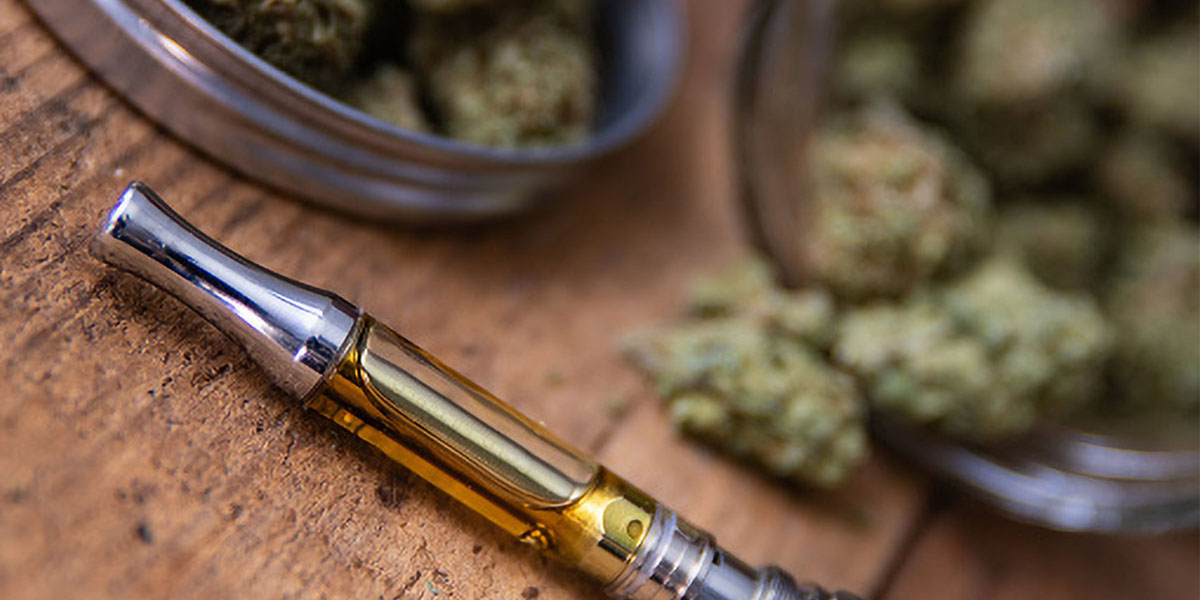
It is widely known that trafficking in controlled substances is a crime under federal law. Traffickers and would-be traffickers be warned, however, that if you do choose to make income from trafficking in Schedule I or II controlled substances (including cannabis, cocaine, or psychedelic mushrooms), that income is fully taxable by the U.S. government. And

Our Regulatory Oversight Blog has been abuzz with news about the newly galvanized Federal Trade Commission (FTC or Commission). Besides beginning to flex its antitrust muscle, the FTC is also taking on deceptive trade practices, with its latest target being the deceptive use of the “Made in USA” or “Made in America” labels. On August

Vermont Attorney General T.J. Donovan recently announced that his office settled violations of the state’s delivery sale law with three online electronic nicotine delivery system (ENDS) sellers. Since December 2020 and including these most recent settlements, the state has collected $472,500 from 13 companies for such violations, signaling the state’s growing desire to enforce this