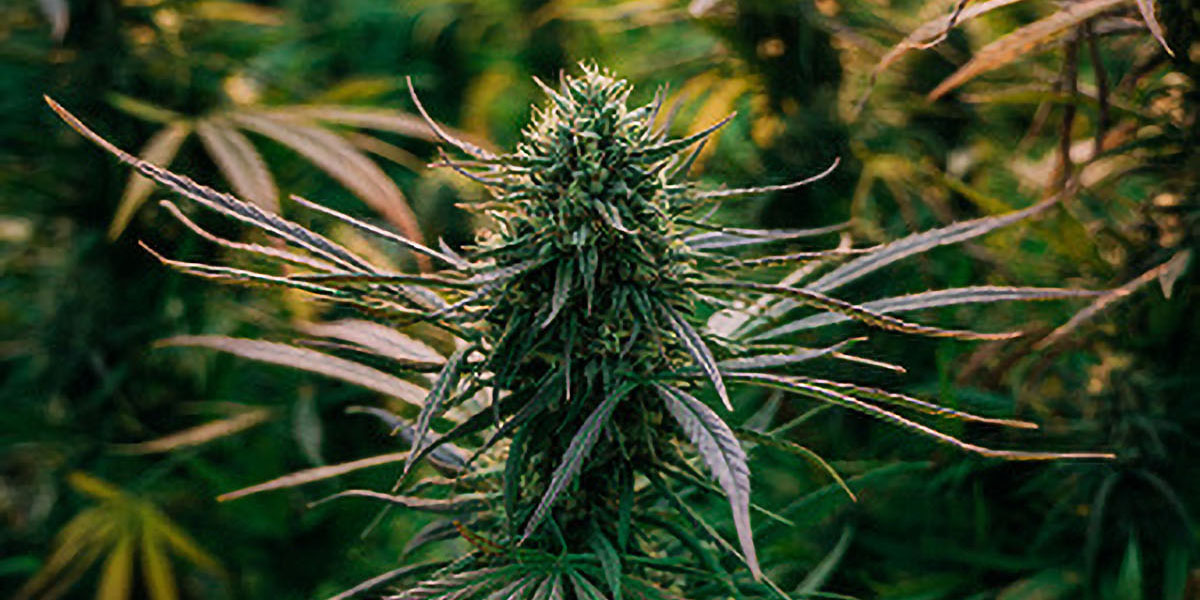
The cannabis industry is evolving rapidly, and technology is at the center of this transformation. State-licensed operators are deploying automation tools, robotics, and artificial intelligence (AI) to improve efficiency, reduce costs, and strengthen compliance. However, innovation in this space comes with unusual challenges. Cannabis remains federally illegal, which restricts financial services, complicates interstate commerce, and subjects businesses to a patchwork of state-specific rules.

In July 2025, a bipartisan coalition of 32 state and territorial attorneys general (AG) sent a letter to congressional leaders urging the passage of the Secure and Fair Enforcement Regulation (SAFER) Banking Act. Their letter emphasizes that the legislation — a long-stalled federal reform — would provide legal clarity and a safe harbor for banks and financial institutions to serve state-licensed cannabis businesses. Such clarity, they argue, is urgently needed to address public safety risks and to improve the states’ ability to regulate and tax the booming cannabis industry.

On July 17, the U.S. House Committee on Agriculture hosted a closed-door roundtable briefing focused on the regulatory gray areas surrounding hemp-derived cannabinoid products. The session, convened in response to ongoing concerns over consumer safety, regulatory ambiguity, and market disruption, featured expert insights from four panelists: Jonathan Miller, general counsel for the U.S. Hemp Roundtable; Pamela Epstein, chief legal and regulatory officer at Terpene Belt Farms; Cole White, attorney at Troutman Pepper Locke, in his capacity as special counsel for the Attorney General Alliance; and Dr. Gillian Schauer, executive director of the Cannabis Regulators Association. The discussion reflected mounting congressional interest in addressing the unintended consequences of the Agriculture Improvement Act of 2018’s (2018 Farm Bill) legalization of hemp and its derivatives.

This article was originally published on July 18, 2025 in Reuters and Westlaw Today.

Intoxicating hemp-derived products have proliferated across the U.S. under the guise of the 2018 Farm Bill’s definition of “hemp.” Although these products produce psychoactive effects akin to state-regulated cannabis products, they are often manufactured and sold with little oversight or regulatory controls.

On May 27, the Texas Legislature sent Senate Bill 3 (SB3) to Gov. Greg Abbott for signature, marking a potentially seismic shift in the legal landscape for hemp-derived cannabinoid products in the state. If signed into law – or allowed to take effect without a veto – SB3 will impose one of the most comprehensive bans on consumable hemp products in the country, to include all products containing any measurable amount of tetrahydrocannabinol (THC) or other natural and synthetic intoxicating cannabinoids. The legislation targets a market that has flourished since the passage of the 2018 federal Farm Bill and Texas’s 2019 hemp law, creating new compliance, enforcement, and business continuity questions for stakeholders across the supply chain. This article summarizes SB3’s major provisions and provides an example of the impacts the bill will have on manufacturers, retailers, and consumers through the lens of infused beverage products.

Published in Law360 on May 23, 2025. © Copyright 2025, Portfolio Media, Inc., publisher of Law360. Reprinted here with permission.

In the rapidly evolving landscape of Colorado’s cannabis industry, maintaining compliance with state regulation is not just a legal obligation but a critical component of business strategy. As cannabis products undergo rigorous testing, the potential of product contamination looms large, posing significant challenges for licensees.

This article was originally published in Reuters and Westlaw Today on April 25, 2025.

Cannabis businesses operating in state-legal markets face a patchwork of testing requirements that vary from one jurisdiction to another. In the absence of federal oversight, each state has developed its own testing rules, including for licensing labs, required contaminants to test for, sampling procedures, and allowable remediation of contaminated products.

On April 21, Indiana Attorney General (AG) Todd Rokita issued a letter to state legislators addressing the pressing issue of legal loopholes surrounding intoxicating hemp-derived products containing delta-8 THC, delta-10 THC, or HHC. These products have garnered significant attention due to their psychoactive effects similar to Delta-9 THC, the primary compound in marijuana. In 2023, Rokita issued an official opinion concluding that these types of products are currently illegal in Indiana. Rokita’s letter discusses the proposed Senate Bill 478, which, among other things, seeks to regulate craft hemp, craft hemp flower products, and THC. Rokita concluded that the proposed bill would make these products legal, does not meaningfully regulate them, and encourages the legislature to reconsider the legislation.