Published in Law360 on January 10, 2023. © Copyright 2022, Portfolio Media, Inc., publisher of Law360. Reprinted here with permission.

In late November, the New Mexico attorney general announced a lawsuit[1] in the Santa Fe County First Judicial District Court against Philip Morris USA Inc., R.J. Reynolds and other signatories to the tobacco master settlement agreement alleging their violation of the MSA and various state and common laws due to their withholding of payments to the state.


On January 5, New York Attorney General Letitia James sued Celsius founder and former CEO Alex Mashinsky for making repeated misrepresentations about the company’s financial products and asset holdings to investors. AG James describes the now bankrupt crypto-lending platform Celsius as “a cryptocurrency lending platform where investors could deposit their cryptocurrency in return for promises of high yields on those digital assets.”

On January 4, Colorado Attorney General Phil Weiser announced that his office had reached settlements with Bellco and Canvas credit unions which will provide $4 million in refunds of unearned guaranteed automobile protection (GAP) premiums to consumers that the credit unions failed to provide previously. In June 2022, we posted here about the five prior settlements reached by the state AG over GAP refunds. Based on the AG’s comments in the press release, we expect continued scrutiny in this area. “When hardworking Coloradans pay for GAP coverage, they deserve to receive what they are owed … My office will continue to hold accountable companies that violate the law and leave Coloradans without the money they were due.”

Just before the new year, Maryland Attorney General Brian Frosh announced a $250,000 settlement with Caliber Homes, Inc. to resolve allegations that Caliber attempted to mislead approximately 220,000 consumers into thinking that its mailings actually came from the customers’ current mortgage companies by sending advertisements that displayed the name and mailing address of the consumers’ original mortgage company instead of Caliber’s. AG Frosh alleged that Caliber’s conduct violated Maryland law, which prohibits licensed lenders from advertising under any name or address that is not their own.

On December 29, 2022, Washington Attorney General Bob Ferguson sued Seattle-area plastic surgery provider Allure Esthetic and its owner for falsely inflating Allure’s online ratings in violation of HIPAA, the Washington State Consumer Protection Act, and the Consumer Review Fairness Act. Specifically, AG Ferguson alleged that Allure and its owner:

On December 27, the New Jersey Division of Consumer Affairs (the Division) entered a consent order with Yellowstone Capital LLC (Yellowstone) and several related companies to resolve allegations that, in violation of the New Jersey Consumer Fraud Act, the company engaged in abusive lending practices in connection with Merchant Cash Advances to small business owners (MCAs). Pursuant to the settlement, Yellowstone must forgive all outstanding balances for customers who entered MCAs, which is estimated to be approximately $21.7 million, and pay more than $5.6 million to the Division for purposes that may include, restitution, attorneys’ fees, costs of investigation and litigation and costs of administering restitution, and penalties up to $250,000. The order also imposes additional requirements regarding Yellowstone’s agreements and collections activity discussed below.

In this episode of Regulatory Oversight, Ashley Taylor welcomes Professor Paul Nolette from Marquette University to discuss the evolution of state attorneys general and how their roles in government have shifted over the years. Professor Nolette serves as the chair of Marquette’s Political Science Department and focuses his teaching and research on the dynamics of contemporary American federalism and the interplay between law and politics. Professor Nolette wrote the book Federalism on Trial: State Attorneys General and National Policy Making in Contemporary America, which examines how state litigators have used lawsuits against large corporations and the federal government as a way to influence national policy.

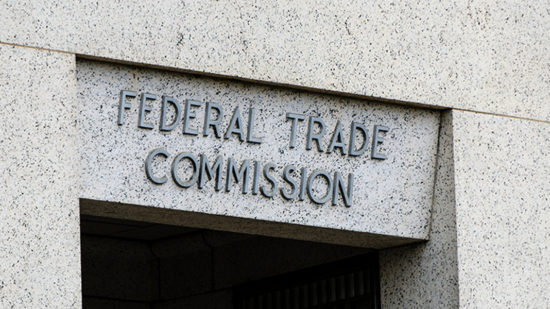
The Federal Trade Commission seems poised to regulate hidden fees in services from a range of industries, joining state attorneys general and the CFPB to act on behalf of consumers, Troutman Pepper attorneys Clayton Friedman, Chris Carlson, and Namrata Kang say. They advise companies to take steps now to avoid regulatory scrutiny.

Read full article

Since July 2022, the New Jersey Division of Consumer Affairs (NJDCA) secured six settlements — totaling over $260,000 — with six different New Jersey car dealerships for allegedly violating consumer protection laws by:

  • Not listing vehicles’ prior accidents, damage, and repairs;
  • Not honoring a used car’s advertised price;
  • Charging excessive vehicle preparation fees not itemized