On December 11, 2025, New York Governor Kathy Hochul signed into law two bills governing the use of artificial intelligence (AI) in advertising. The governor’s office described the bills as “first-in-the-nation legislation to protect consumers and boost AI transparency in the film industry.” Both bills unanimously passed through the New York Legislature.

After a four-day trial, Iowa Attorney General (AG) Brenna Bird obtained a ruling and judgment against Omaha-based stem cell businesses and its owner/CEO for deceptively marketing “regenerative medicine” stem cell injections to Iowans. The court ordered more than $800,000 in restitution, $180,000 in civil penalties, including enhanced civil penalties for targeting elderly persons, and permanently enjoined the company from committing acts or practices that the court deemed in violation of the Iowa Consumer Fraud Act.

The Oregon Department of Justice and Grocery Delivery E-Service USA, Inc. d/b/a HelloFresh (HelloFresh), recently filed an Assurance of Voluntary Compliance (AVC) in Oregon Circuit Court to resolve allegations by the Department of Justice (DOJ). HelloFresh is a meal-kit company, providing meal kits, ready-to-eat meals, and other products directly to consumers.

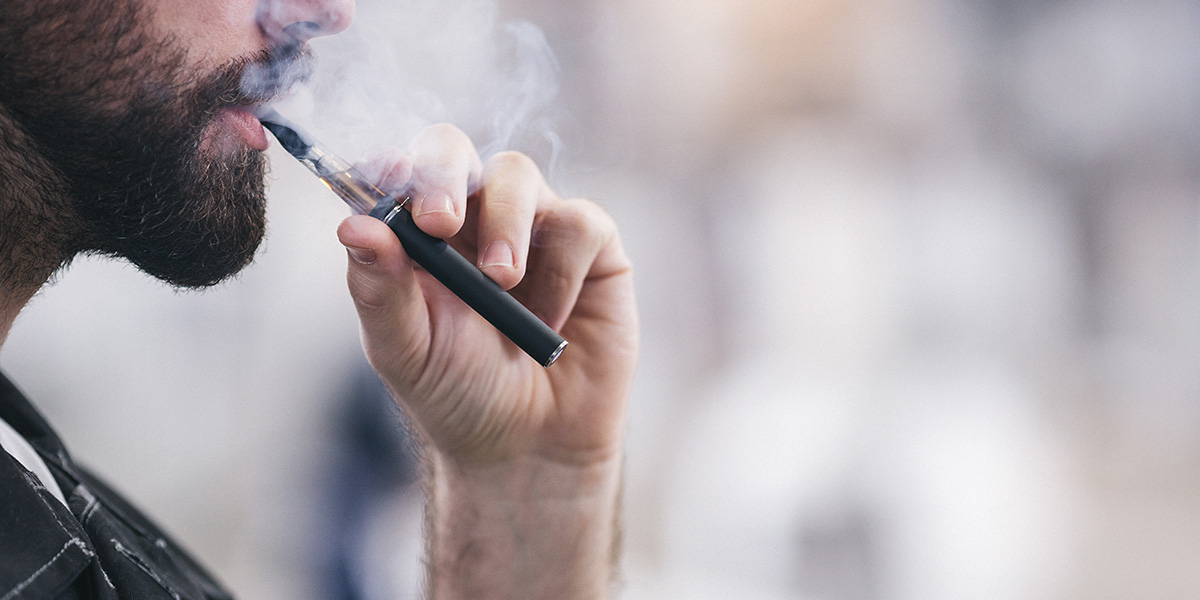
An Ohio appellate court recently affirmed the dismissal of a case brought by the Ohio attorney general (AG) against Central Tobacco & Stuff Inc. (Central Tobacco), an e-cigarette retailer, in which the AG alleged that Central Tobacco sold e-cigarettes lacking FDA premarket authorization and violated the state’s Consumer Sales Practices Act (CSPA) by failing to inform consumers about the lack of FDA authorization. See State ex rel. Attorney Gen. Dave Yost v. Cent. Tobacco & Stuff Inc., 2025-Ohio-4613 (Ct. App.). This appears to be a novel use of a state consumer protection law, which most states have, to attempt to enforce the Federal Food, Drug, and Cosmetic Act (FDCA). The court concluded that federal law preempts Ohio’s ability to enforce FDCA premarket authorization requirements through the CSPA. The court’s decision may be relevant in other cases involving a state’s attempt to enforce FDA premarket authorization requirements through their consumer protection laws.

On September 25, 2025, Amazon agreed to pay $2.5 billion to settle claims brought by the Federal Trade Commission (FTC) alleging that the company misled consumers into signing up for Prime memberships and made it difficult for them to cancel. The settlement, announced just days into the start of litigation between Amazon and FTC, includes $1 billion in penalties and $1.5 billion in restitution to customers, which the FTC described as one of the largest settlements in the agency’s history.

In this crossover episode of The Consumer Finance Podcast and Regulatory Oversight, Chris Willis is joined by Joseph DeFazio, Bill Foley, and Michael Yaghi to discuss the implications of New York’s FAIR Act, a significant amendment to the state’s UDAAP statute. The FAIR Act aims to broaden consumer protection by lowering the threshold for legal action against unfair and abusive business practices. With expanded enforcement powers for the state, this legislation could dramatically increase litigation risks for financial services companies operating in New York if the governor signs the bill. Tune in to understand how this legislative shift might affect the industry and what steps businesses can take to prepare.

On September 5, Illinois Attorney General (AG) Kwame Raoul announced the resolution of ongoing litigation against Clearview Electric Inc., an alternative retail electric supplier accused of engaging in fraudulent, unfair, and deceptive business practices. Clearview Energy allegedly misled Illinois consumers into paying significantly higher rates for electricity compared to those who remained with their default public utility.