Indiana Attorney General (AG) Todd Rokita recently partnered with the Indiana Gaming Commission to alert consumers about advertisements for illegal gambling.[1]


Indiana Attorney General (AG) Todd Rokita recently partnered with the Indiana Gaming Commission to alert consumers about advertisements for illegal gambling.[1]

Recent actions by the Pennsylvania and Iowa state attorneys general (AG) suggest increasing regulatory scrutiny of bitcoin transaction machines (BTMs) in connection with the role they allegedly play in facilitating scams. In Pennsylvania, AG David Sunday issued a consumer alert, warning Pennsylvanians that scammers are using BTMs to gain access to their money. In Iowa, AG Brenna Bird brought two lawsuits against Bitcoin Depot and CoinFlip, Iowa’s two largest BTM operators, over alleged collection of illegal fees and failures that allowed Iowans to send millions of dollars to scammers through their kiosks.

Massachusetts Attorney General (AG) Andrea Joy Campbell announced Massachusetts’ new consumer protection regulations prohibiting “junk fees” and providing consumers with greater transparency regarding trial and subscription offers, prohibiting unfair marketing tactics that obscure the true cost of a product or service. The regulations are intended to help consumers understand the total cost of products and services at the outset of a transaction, avoid fees, and make it easier to cancel unwanted costs associated with trial and subscription offers.

The New York Attorney General’s (AG) Office announced a $16.75 million settlement with DoorDash, the prominent delivery platform. The settlement relates to claims that DoorDash misled both consumers and delivery workers (Dashers) regarding the handling of tips. Specifically, AG Letitia James alleged that DoorDash employed a guaranteed pay model that was supposed to ensure that delivery workers knew their pay upfront. However, DoorDash allegedly used the model to redirect customer tips to subsidize the wages the company had guaranteed to the Dashers. Instead of giving Dashers the full tips as intended, the tips were used to reduce DoorDash’s payment obligations that were needed to satisfy the guaranteed payment amount.

Our colleagues recently wrote about 14 memoranda from the new U.S. Attorney General (AG) Pam Bondi to Department of Justice (DOJ) employees framing the DOJ’s current policies and enforcement priorities. In a memorandum addressing DOJ’s general charging, plea bargaining, and sentencing policy, the AG stated the following: “To free resources to address more pressing priorities, the Bureau of Alcohol, Tobacco, Firearms, and Explosives (ATF) shall shift resources from its Alcohol and Tobacco Enforcement Programs to focus on matters relating to the other priorities set forth herein. No resources shall be diverted from the ATF’s regulatory responsibilities, such as federal firearms licenses and background checks.”

Last year, we wrote about the former Missouri governor’s efforts to curb the availability of intoxicating hemp products to Missouri consumers by executive order. There are now several proposed bills in the Missouri legislature that seek to regulate hemp-derived consumable products in the state, a few of which we summarize below. In general, the proposed legislation addresses issues related to youth access, licensing, taxation, advertising and marketing, testing, and labeling. This type of proposed legislation is worth monitoring in Missouri, and other states, as states take more aggressive action to prohibit or regulate the availability of such products to consumers in the absence of a coherent, federal regulatory framework.

Washington Attorney General (AG) Nick Brown secured a $3.75 million settlement with Puppyland, known for selling purebred and mixed breed puppies, over unlawful advertising and sales practices. The settlement resolves a lawsuit filed by former AG Bob Ferguson, addressing multiple violations under the state’s Consumer Protection Act. The complaint alleged that Puppyland misrepresented the breeding standard of puppies sold; failed to honor advertised health guarantees; channeled customers into loans with interest rates approaching 200% “without adequate time to review and understand the terms;” and used nondisparagement provisions in their purchase agreements that restricted truthful online reviews.

State attorneys general (AGs) continue to play a pivotal role as innovators, shaping the regulatory environment by leveraging their expertise and resources to influence policy and practice. The public-facing nature of AG offices across the U.S. compels them to respond to constituent concerns on abbreviated timetables. This political sensitivity, combined with the AGs’ authority to address both local and national issues, underscores their significant influence in the current regulatory environment.
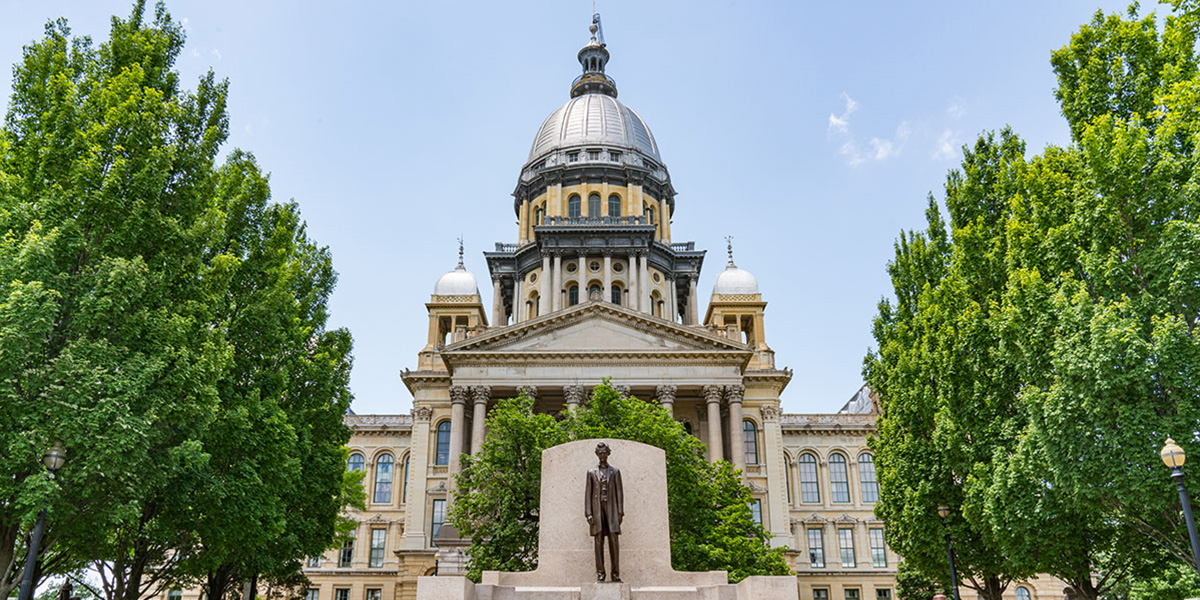
On December 17, 2024, the Federal Trade Commission (FTC) and Illinois Attorney General (AG) Kwame Raoul settled their lawsuit against Grubhub for $140 million (Grubhub will only have to pay $25 million, with the balance suspended due to Grubhub’s inability to pay).

Warnings of an impending regulatory focus on hidden and junk fees materialized following President Joe Biden’s call to Congress during his 2023 State of the Union address to eliminate them. On December 17, the Federal Trade Commission (FTC) announced its final rule, Trade Regulation rule on Unfair or Deceptive Fees (Junk Fees Rule), which bans junk fees associated with live-event ticket and short-term lodging (hotels and vacation rentals). By focusing exclusively on the live-event ticket and short-term lodging sectors, the rule is notably narrower in scope than the originally proposed rule from October 2023, which targeted junk and hidden fees across all industries nationwide.