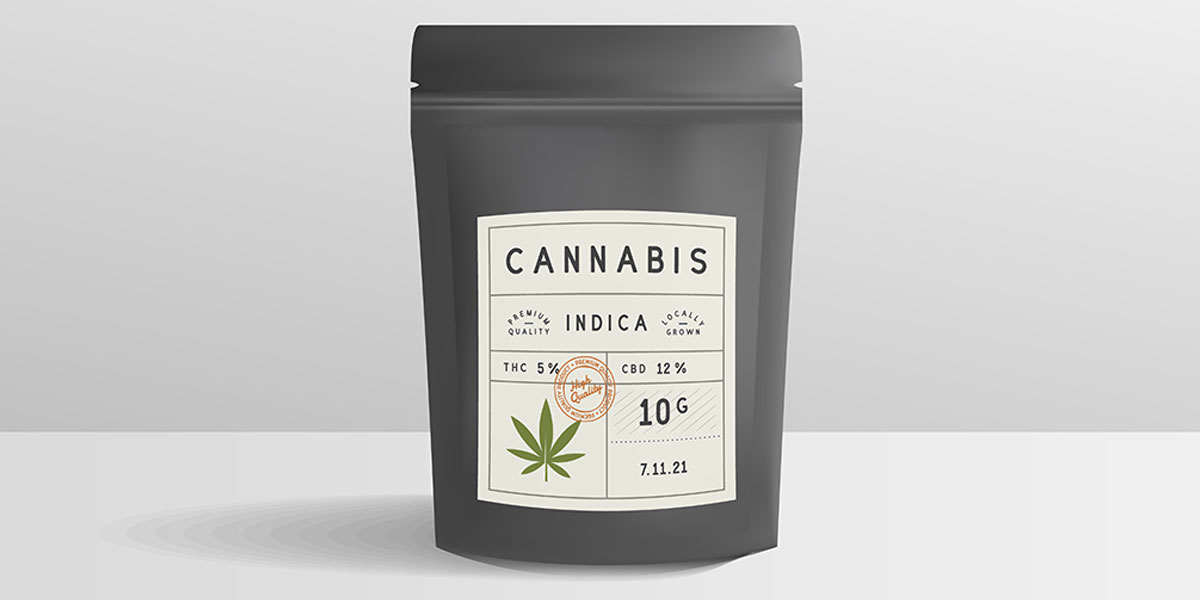
It has been widely reported and confirmed publicly that, on August 29, the U.S. Department of Health and Human Services (HHS) sent a letter to the Drug Enforcement Administration (DEA) recommending that cannabis be moved from Schedule I to Schedule III of the Controlled Substances Act (CSA). While this change would not lift the federal prohibition on cannabis, and the DEA will need to perform its own review, the move could have profound implications for researchers and industry participants.

On August 18, 2023, a New York Supreme Court judge has enjoined New York cannabis regulators from further processing, approving, or investigating any new or pending applications for a state conditional adult-use retail dispensary (CAURD) license, leaving New York’s nascent adult-use cannabis market in limbo.

Published in Law360 on August 15, 2023. © Copyright 2023, Portfolio Media, Inc., publisher of Law360. Reprinted here with permission.

Much attention has recently been placed on hemp-derived products marketed in packaging that mimics popular snack foods.[1]

According to the U.S. Food and Drug Administration and various state regulators, this type of packaging has contributed to an increase in accidental consumption of intoxicating hemp products by minors.

The Massachusetts Cannabis Control Commission’s first and only executive director is supposedly planning to leave the agency, which is in the midst of implementing the state’s new cannabis equity law, enacted in August 2022. This law includes new regulations concerning licensed “marijuana social consumption establishments,” which are more commonly known as cannabis cafés.

Published in Law360 on July 19, 2023. © Copyright 2023, Portfolio Media, Inc., publisher of Law360. Reprinted here with permission.

While many individuals are excited about the proliferation of state laws providing for medical and recreational use of marijuana across the country, inconsistencies in these state laws have made it difficult for employers to put in place consistent policies and practices on testing for marijuana as a condition of employment, upon reasonable suspicion, and post-accident. Employers are being forced to revisit their drug-testing policies not just because of changes to their state’s laws regarding medical and recreational use of marijuana, but also because it is becoming increasingly difficult to find employees who have not used, or do not use, marijuana. If employers want to continue testing for marijuana in states where use is legal, policies must be drafted carefully to account for the continued evolution of the law in this area.