California Attorney General (AG) Rob Bonta has settled with StubHub, Inc. (StubHub) for alleged violations of the Unfair Competition Law and False Advertising Law. The complaint accuses StubHub of making misleading statements to induce the public to purchase tickets on its platform. Specifically, the complaint highlights StubHub’s “FanProtect” guarantee, which promised full refunds for canceled events — a promise that StubHub allegedly failed to honor during the COVID-19 pandemic.

In a recent development, North Carolina Attorney General (AG) Josh Stein announced his intention to appeal a Wake County Superior Court decision regarding allocation of environmental grant funds from Smithfield Foods. The ruling, which favors redirecting these funds exclusively to public schools, has sparked a legal debate with significant implications for environmental initiatives and educational funding in the state.

On August 20, New Hampshire Attorney General (AG) John Formella announced the arrest of Ricky Southers, the owner of Southers Construction, Inc., for allegedly violating the terms of an injunction issued under the state’s Consumer Protection Act (CPA). Earlier this year, Formella filed a civil complaint against Southers and his construction company, alleging numerous and repeated violations of the CPA. The court ordered a temporary restraining order, followed by an injunction, which imposed strict requirements on how Southers can operate his business in the state. Southers has been charged with criminal violations after allegedly failing to comply with the temporary restraining order and injunction.

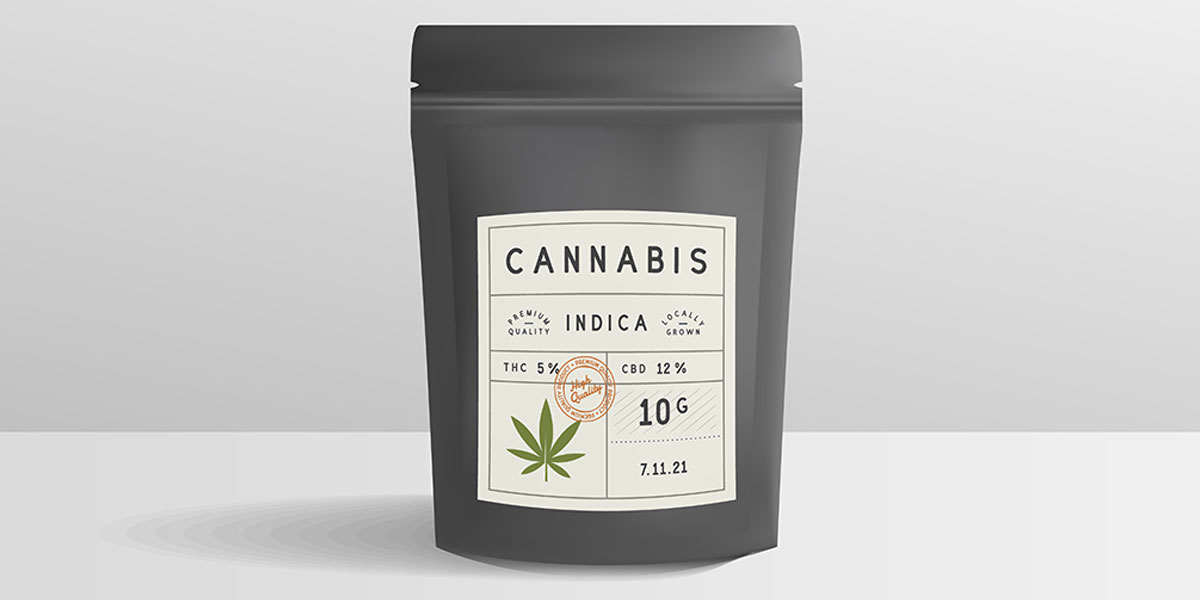
Concerns over consumer protection are mounting as the sales of intoxicating hemp products continue to rise. In response to a fragmented regulatory landscape that has led to inconsistent enforcement and compliance challenges, state attorneys general are stepping in to fill the void left by the absence of comprehensive federal regulations. These state-level actions aim to

On July 29, the attorney general (AG) for Washington, D.C. sued StubHub, Inc. (StubHub) for violations of the district’s Consumer Protection Procedures Act. The complaint accuses StubHub of employing “dark patterns,” including the use of hidden fees that mislead consumers and inflate ticket prices.

As U.S. elections heat up, Republicans have put Democrats on the defense about the economy and the public’s perception of it. One talking point for Democrats in response, including in President Joe Biden’s last two State of the Union addresses, has been federal efforts to combat so-called junk fees.

Still, the strongest regulations are coming from states, and companies will need to keep an eye on all of these laws to comply.

On July 31, Attorney General (AG) Michelle Henry announced a new way for Pennsylvania residents — or those traveling through Pennsylvania — to file complaints against airlines. The move is in response to allegations of a nationwide increase in complaints regarding airline handling of flight delays, cancellations, and other air travel-related issues. This announcement also comes on the heels of the latest airline disaster caused by the CrowdStrike computer meltdown.

On August 7, the U.S. Department of Treasury hosted a virtual briefing to discuss the steps that the Biden-Harris administration is taking to address perceived unfair and deceptive practices in the consumer solar energy industry. Deputy Secretary of Treasury Wally Adeyemo, along with Federal Trade Commission (FTC) Chair Lina Khan and Consumer Financial Protection Bureau (CFPB) Director Rohit Chopra, announced a new interagency consumer solar industry initiative directed at both sales and financing of residential systems. Each made statements about the unique effort to root out anti-competitive and sometimes-fraudulent activity by a handful of “bad actors” who are taking advantage of the burgeoning industry. The presenters also noted that they will be coordinating with state attorneys general (AG) and state financial regulators.