What’s Happening

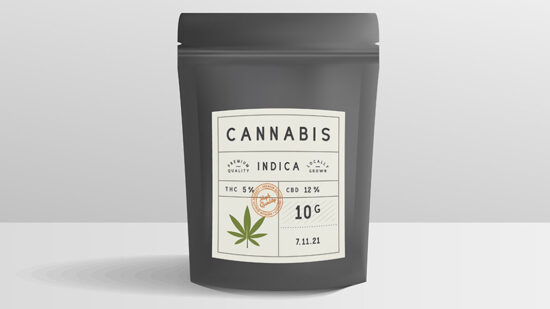
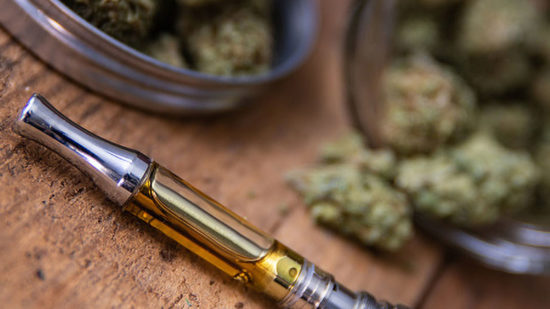
Last week, the Maine Public Utilities Commission (the commission) heard an unusual pitch: an electric utility proposed to voluntarily report to law enforcement if residential utility usage suggested illegal marijuana grow enterprises — without the law enforcement agency submitting a subpoena or obtaining a warrant. Although the commission ultimately rejected the proposal, the utility cited its high identification success rate and the burden of responding to subpoenas (sometimes as many 50 for a single location), as its motivation for this proposal.

On July 29, the attorney general (AG) for Washington, D.C. sued StubHub, Inc. (StubHub) for violations of the district’s Consumer Protection Procedures Act. The complaint accuses StubHub of employing “dark patterns,” including the use of hidden fees that mislead consumers and inflate ticket prices.

As U.S. elections heat up, Republicans have put Democrats on the defense about the economy and the public’s perception of it. One talking point for Democrats in response, including in President Joe Biden’s last two State of the Union addresses, has been federal efforts to combat so-called junk fees.

Still, the strongest regulations are coming from states, and companies will need to keep an eye on all of these laws to comply.

Dear Mary,

I’m the general counsel of an organization and have recently started getting involved in the cybersecurity side of things. As I’m getting my bearings, I’ve noticed that our security team doesn’t always involve the legal department when an incident is suspected. While I understand that not every incident requires our involvement, I’m concerned that we’re being left out of matters that do need legal oversight, and when we are involved, it’s often too late. What can I do to help address this?

– Living in FOMO

On July 31, Attorney General (AG) Michelle Henry announced a new way for Pennsylvania residents — or those traveling through Pennsylvania — to file complaints against airlines. The move is in response to allegations of a nationwide increase in complaints regarding airline handling of flight delays, cancellations, and other air travel-related issues. This announcement also comes on the heels of the latest airline disaster caused by the CrowdStrike computer meltdown.

On August 7, the U.S. Department of Treasury hosted a virtual briefing to discuss the steps that the Biden-Harris administration is taking to address perceived unfair and deceptive practices in the consumer solar energy industry. Deputy Secretary of Treasury Wally Adeyemo, along with Federal Trade Commission (FTC) Chair Lina Khan and Consumer Financial Protection Bureau (CFPB) Director Rohit Chopra, announced a new interagency consumer solar industry initiative directed at both sales and financing of residential systems. Each made statements about the unique effort to root out anti-competitive and sometimes-fraudulent activity by a handful of “bad actors” who are taking advantage of the burgeoning industry. The presenters also noted that they will be coordinating with state attorneys general (AG) and state financial regulators.

Just before the close of the Colorado legislature’s 2024 session in mid-May, lawmakers approved a bill aimed at streamlining several deficiencies in the state’s regulation of marijuana businesses. While not all of the bill’s intended fixes were passed, certain provisions will facilitate significant changes for businesses, including for licensing processes, contaminant testing protocols, reporting obligations, compliance procedures, and operations management practices.

The proposed rescheduling of cannabis from Schedule I to Schedule III under the Controlled Substances Act (CSA) marks a pivotal moment in the evolution of U.S. cannabis policy but may bring few practical changes to state-licensed markets. On May 20, the U.S. Department of Justice (DOJ) and the Drug Enforcement Administration (DEA) issued a Notice of Proposed Rulemaking[1] (NPRM) to initiate the change, launching a 60-day public comment period that concluded on July 22. The proposal has stirred significant interest and debate among stakeholders, including state regulators, advocacy groups, health experts, individuals, and licensed businesses, resulting in the posting of more than 43,000 comments.

In June, the Bureau of Alcohol, Tobacco and Firearms (ATF) argued in federal court that the federal Prevent All Cigarette Trafficking (PACT) Act requires tribal retailers to obtain state licenses to sell cigarettes on their own reservations. If accepted, ATF’s position would greatly expand the scope of state authority over tribal tobacco sales.