On August 2, 2021 and March 3, 2022 we reported on Executive Order 14036 (E.O. 14036) and the subsequent Treasury report entitled, “Competition in the Markets for Beer, Wine, and Spirits” (Report), which, among other things, directed the Alcohol and Tobacco Tax and Trade Bureau (TTB) to consider: (1) initiating a rulemaking to

Several Washington breweries and beer distributors filed suit in federal court against the Oregon Liquor and Cannabis Commission, the State Attorney General, and the Governor. The out-of-state breweries are challenging Oregon laws that (1) allow resident breweries to sell, ship, and deliver beer directly to Oregon consumers with a direct shipper permit, but only allow

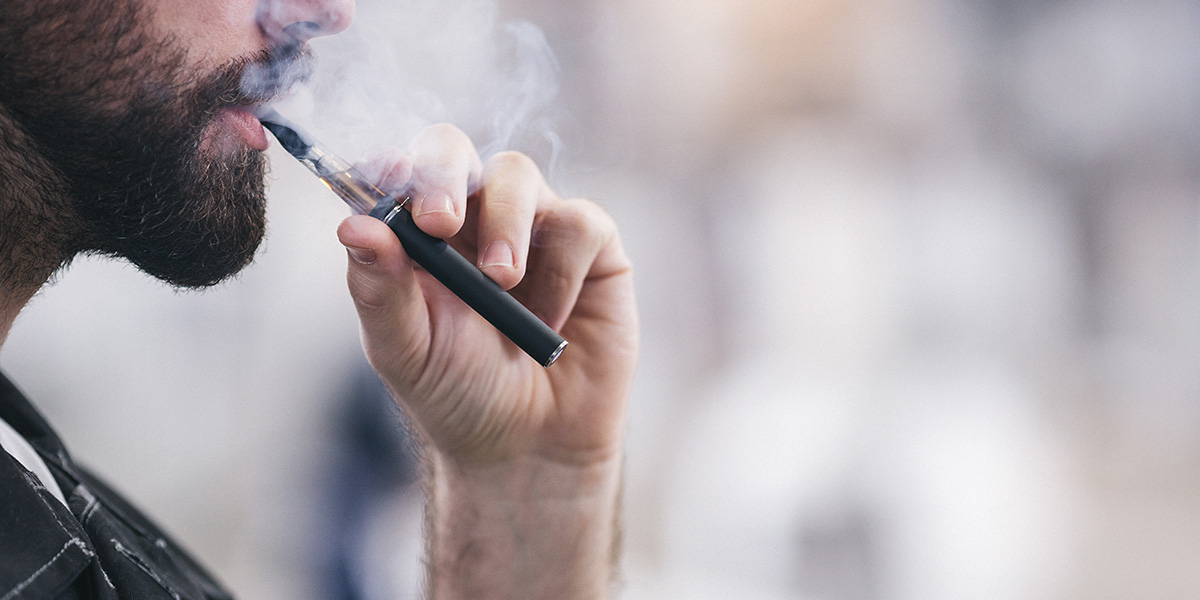
In a recent press release, the Federal Trade Commission (FTC) issued its second e-cigarette report, analyzing domestic sales and marketing trends for the years 2019 and 2020. While FTC has issued a similar report for cigarettes and smokeless tobacco products since 1967 and 1987, respectively, it only recently decided to analyze this type

In a prior update, we discussed the ongoing legal challenges to the U.S. Food and Drug Administration’s (FDA) March 2020 rule on a graphic-warning requirement for cigarettes. Initially slated to take effect June 18, 2021, the rule would require 11 new textual, health warning statements accompanied by color, “photorealistic” images displayed on the top

In determining whether the commerce clause of the U.S. Constitution prohibits a state’s taxation of a remote seller, the U.S. Supreme Court for decades has upheld a tax if (1) there is a substantial nexus between the taxing state and the taxpayer; (2) the tax is fairly apportioned; (3) the tax does not discriminate against

The Uniform Law Commission, which writes model laws proposing more clarity in key areas of state law, recently adopted the Uniform Alcohol Direct-Shipping Compliance Act (Model Law), receiving quite a bit of attention within the alcoholic beverage industry.

While the Model law addresses numerous topics, it focuses mostly on the shipment, rather than the

Last year we reported that Vermont Attorney General T.J. Donovan’s office settled with several online sellers over alleged violations of the state’s delivery sales ban of electronic nicotine delivery systems (ENDS) (the Delivery Sale Ban) and that we expected Vermont’s scrutiny to continue. As predicted, Attorney General Donovan’s office recently announced two more settlements with

As we previously reported, Executive Order 14036 (E.O. 14036) required the Treasury secretary, who oversees the Alcohol and Tobacco Tax and Trade Bureau (TTB), to issue a report to the White House Competition Council (the Council) chair, assessing the current market structure and conditions of competition in the U.S. alcohol market.

In response to

The Environmental Protection Agency (EPA) and the U.S. Army Corps of Engineers (the “Corps”) (together the “Agencies”) have continued working on a proposed rule to revise the definition of “waters of the United States” (WOTUS) under the Clean Water Act (CWA or Act), which will soon move to the next stage of agency consideration.[1]

On December 3, the Alcohol and Tobacco Tax and Trade Bureau (TTB) issued a proposed rulemaking aimed at modernizing and streamlining permit application and reporting requirements for distilled spirits plants (DSPs), wineries, importers, wholesalers, alcohol beverage dealers, and other permittees. TTB’s proposed changes are good for the industry because they will reduce the regulatory burden