Photo of Nick Ramos

Nick draws on years of military leadership, project management, and legal experience to help clients solve difficult business problems from a legal perspective. His practical advice enables clients to navigate regulatory compliance and licensing issues, complex investigations, and high stakes enforcement actions that arise under state and federal law.

What Happened

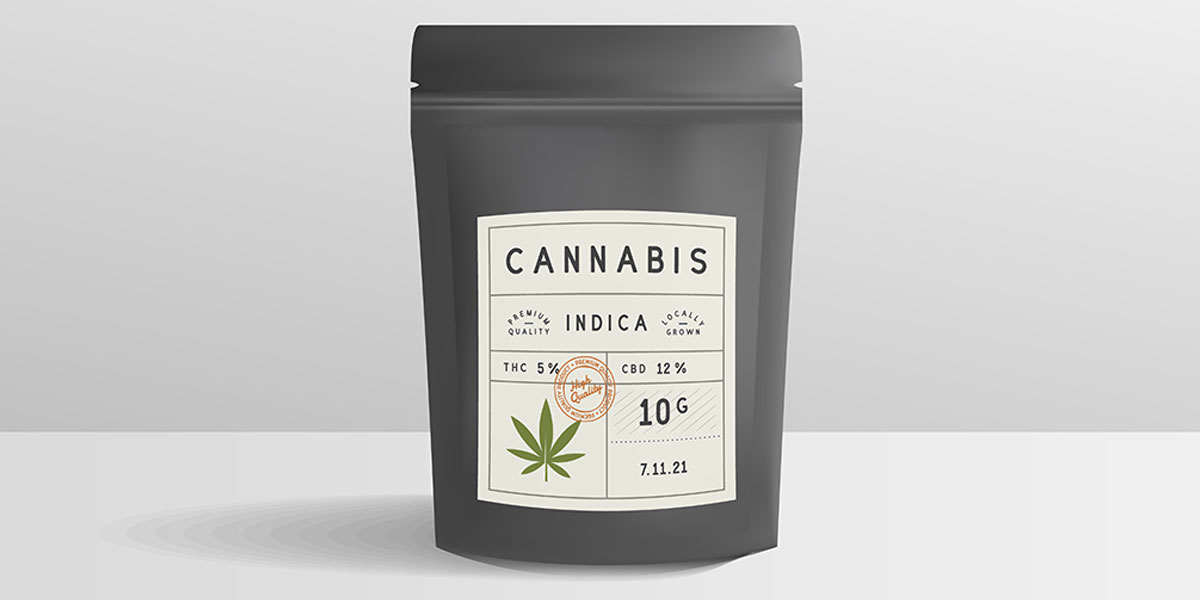
On September 14, Virginia’s Attorney General (AG) Jason Miyares issued a letter to the registered agent of the Good Vibes Shop, a Radford, VA store, for selling tetrahydrocannabinol (THC) products without proper labeling and packaging. The AG’s letter alleges that the store’s THC products lacked child-resistant packaging and appropriate labeling, including ingredient lists, THC content, and age restrictions, in violation of the Virginia Consumer Protection Act (VCPA). As we have recently discussed, the AG’s letter is part of a broader effort among states to protect consumers amid the evolving federal and state cannabis regulatory landscape.

Earlier this month, 20 Democratic state attorneys general (AG) filed an amicus brief supporting the U.S. Food and Drug Administration’s (FDA) marketing denial orders (MDOs) of premarket tobacco applications (PMTAs) for flavored electronic nicotine delivery systems (ENDS or e-cigarettes) currently under review by the U.S. Supreme Court. The brief not only demonstrates which side these states support, but also identifies specific enforcement priorities for these states.

On August 1, Missouri Governor Michael Parson issued Executive Order 24-10 (the EO), a bold move aimed at addressing consumer safety concerns surrounding unregulated psychoactive cannabis products. The EO sparked a legal battle with the Missouri Hemp Trade Association (MO Hemp), which claims that by designating these products as adulterated and imposing an embargo under the EO, the Missouri Department of Health and Senior Services (DHSS) violated Missouri law. The governor’s action is yet another example of a state taking aggressive steps to address gaps left by the lack of federal regulations to ensure consumer safety in the burgeoning industrial hemp industry.

Concerns over consumer protection are mounting as the sales of intoxicating hemp products continue to rise. In response to a fragmented regulatory landscape that has led to inconsistent enforcement and compliance challenges, state attorneys general are stepping in to fill the void left by the absence of comprehensive federal regulations. These state-level actions aim to

On August 2, the U.S. Court of Appeals for the Eighth Circuit decided a case addressing Nebraska’s authority to require tribal cigarette manufacturers that are not parties to the Master Settlement Agreement (MSA) to comply with the state’s escrow statute with respect to cigarettes sold in Indian country. See HCI Distrib., Inc. v. Peterson, No. 23-2311 (8th Cir., Aug. 2, 2024).

We have previously reported on the proliferation of tobacco product flavor bans imposed by localities and subsequent legal challenges throughout the U.S. See Oregon Court Upholds Local Tobacco Product Flavor Ban; Troutman Pepper Tobacco Team Featured in Vapor Voice Post on Ninth Circuit’s Holding that L.A. County’s Flavor Ban Is Not Preempted; Philadelphia

The landscape of tobacco product and cannabis flavor bans or restrictions varies significantly across the country. In both industries, some states restrict all or some flavors in all types of products, while other states restrict all or some flavors in some, but not all, products. Below, we provide a high-level overview of the flavor ban and restriction landscape in both industries. As we will discuss, there is a wide disparity between cannabis and tobacco product flavor bans or restrictions and, where they exist, there appears to be more flexibility among cannabis flavor restrictions than for tobacco product flavor bans or restrictions.

The Massachusetts Supreme Judicial Court (SJC) recently upheld, in a unanimous decision, the town of Brookline’s ordinance banning the sale of tobacco and e-cigarette products to anyone born after Jan. 1, 2000 (the Tobacco Sales Ban). Brookline is the first U.S. locality to impose a tobacco sales ban based on a specific date.

In a recent ruling, the California Court of Appeal largely affirmed a lower court’s decision from March 2022, finding that Ashford University (now known as University of Arizona Global Campus), an online, for-profit college, had engaged in deceptive recruitment practices vis-à-vis veterans eligible for federal GI Bill educational benefits. California Attorney General (AG) Rob Bonta initiated the action in November 2017, alleging that Ashford University had caused harm to a significant number of students, many of whom were veterans, by disseminating false and misleading statements about career outcomes, cost and financial aid, pace of degree programs, and transfer credits.

According to the Department of Veterans Affairs’ (VA) most recent regulatory agenda, it plans to finalize a proposed rule that would make significant changes to requirements applicable to educational institutions that enroll students utilizing VA benefits, such as under the extremely popular Chapter 33 Post-9/11 GI Bill and Chapter 31 Veteran Readiness and Employment (VR&E) programs, both of which pay tuition and fees directly to schools. The new regulations, which are expected to become final in April and go into effect shortly thereafter, will implement the Veterans Benefits and Transition Act of 2018. As the Congressional Research Service explained, that bill made “a number of changes to educational benefits.”