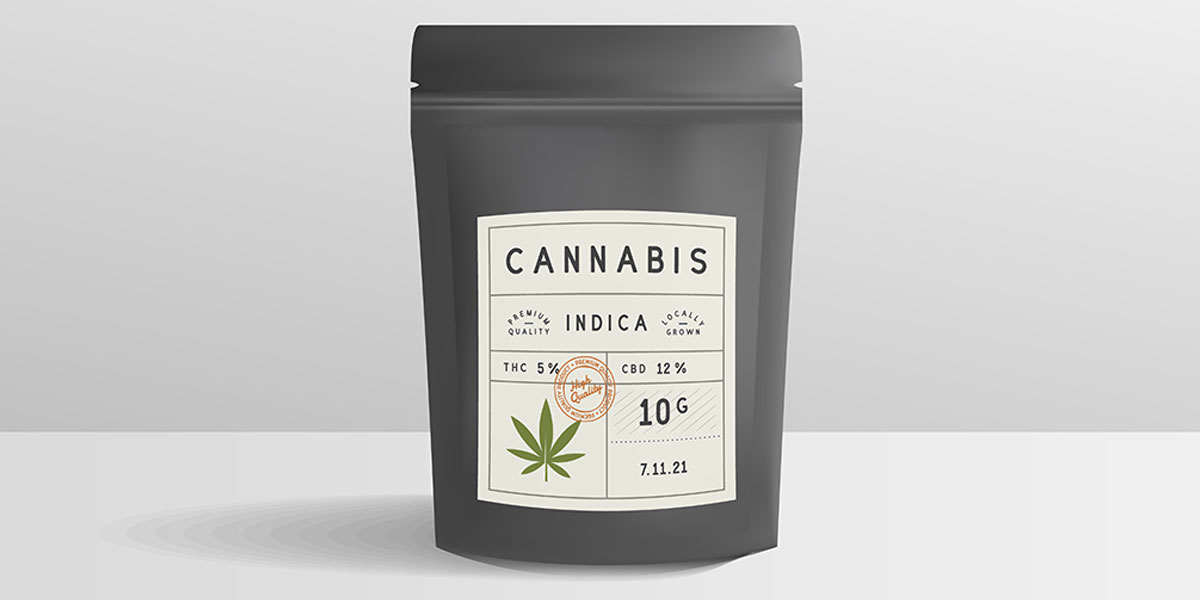
On August 1, Missouri Governor Michael Parson issued Executive Order 24-10 (the EO), a bold move aimed at addressing consumer safety concerns surrounding unregulated psychoactive cannabis products. The EO sparked a legal battle with the Missouri Hemp Trade Association (MO Hemp), which claims that by designating these products as adulterated and imposing an embargo under the EO, the Missouri Department of Health and Senior Services (DHSS) violated Missouri law. The governor’s action is yet another example of a state taking aggressive steps to address gaps left by the lack of federal regulations to ensure consumer safety in the burgeoning industrial hemp industry.

On August 2, the U.S. Court of Appeals for the Eighth Circuit decided a case addressing Nebraska’s authority to require tribal cigarette manufacturers that are not parties to the Master Settlement Agreement (MSA) to comply with the state’s escrow statute with respect to cigarettes sold in Indian country. See HCI Distrib., Inc. v. Peterson, No. 23-2311 (8th Cir., Aug. 2, 2024).

Massachusetts Attorney General (AG) Andrea Joy Campbell announced a $4 million settlement with Next Step Healthcare, LLC (Next Step), a Massachusetts-based long-term care management company, in a deal that the AG described as the largest-ever nursing home settlement in Massachusetts. According to the AG’s announcement, Next Step operates 16 nursing homes in Massachusetts.

We have previously reported on the proliferation of tobacco product flavor bans imposed by localities and subsequent legal challenges throughout the U.S. See Oregon Court Upholds Local Tobacco Product Flavor Ban; Troutman Pepper Tobacco Team Featured in Vapor Voice Post on Ninth Circuit’s Holding that L.A. County’s Flavor Ban Is Not Preempted; Philadelphia

Introduction

The medicinal and recreational use and popularity of marijuana has continuously grown throughout the U.S. since Oregon became the first state to decriminalize marijuana in 1973. To date, thirty-eight states and the District of Columbia have implemented medical marijuana programs, twenty-five of which have also expanded into adult-use.

Just before the close of the Colorado legislature’s 2024 session, lawmakers approved a bill aimed at streamlining several deficiencies in the state’s regulation of marijuana businesses. While not all the bill’s intended fixes were passed, certain provisions will facilitate significant changes for businesses, including for licensing processes, contaminant testing protocols, reporting obligations, compliance procedures, and operations management practices. Several notable changes are discussed below.

The Massachusetts Supreme Judicial Court (SJC) recently upheld, in a unanimous decision, the town of Brookline’s ordinance banning the sale of tobacco and e-cigarette products to anyone born after Jan. 1, 2000 (the Tobacco Sales Ban). Brookline is the first U.S. locality to impose a tobacco sales ban based on a specific date.

According to the Department of Veterans Affairs’ (VA) most recent regulatory agenda, it plans to finalize a proposed rule that would make significant changes to requirements applicable to educational institutions that enroll students utilizing VA benefits, such as under the extremely popular Chapter 33 Post-9/11 GI Bill and Chapter 31 Veteran Readiness and Employment (VR&E) programs, both of which pay tuition and fees directly to schools. The new regulations, which are expected to become final in April and go into effect shortly thereafter, will implement the Veterans Benefits and Transition Act of 2018. As the Congressional Research Service explained, that bill made “a number of changes to educational benefits.”

As we previously reported, the Treasury Department released a 2022 report on Competition in the Markets for Beer, Wine, and Spirits (the Competition Report) recommending, in part, that the Alcohol and Tobacco Tax and Trade Bureau (TTB) revive or initiate rulemaking to consider labeling requirements that include alcohol and nutritional information per-serving, major food allergens, and/or ingredients. TTB has announced that it will hold two virtual listening sessions on this topic on February 28, from 10 a.m. to 2 p.m., EST; and February 29, from 1 p.m. to 5 p.m., EST. The deadline to register to virtually attend either session is February 27, 12 p.m., EST,. Interested parties may register for either session here. These listening sessions present a unique opportunity to provide input to TTB at the early stages of a rulemaking that could potentially affect labels across the industry.